

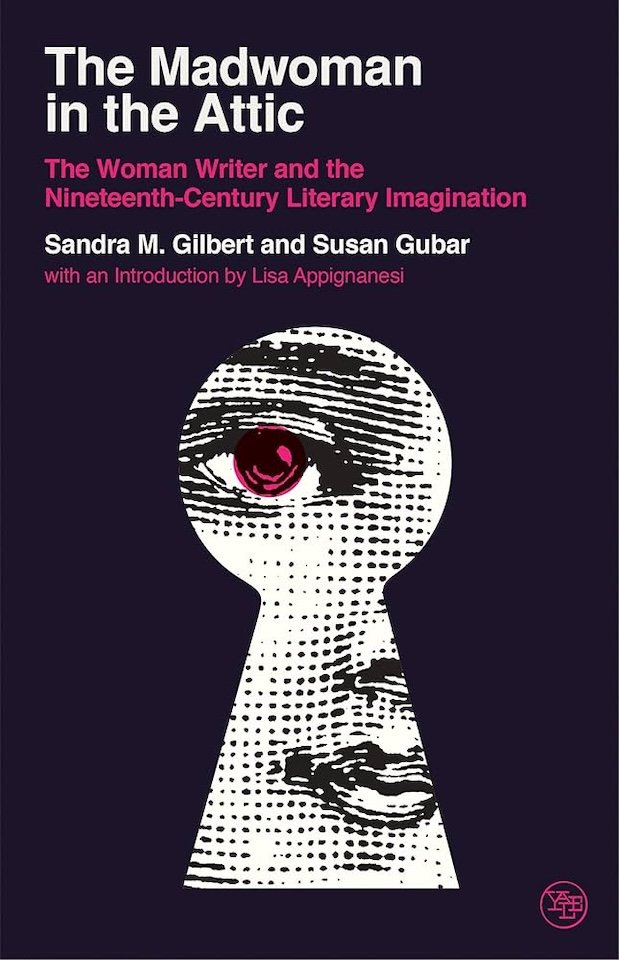
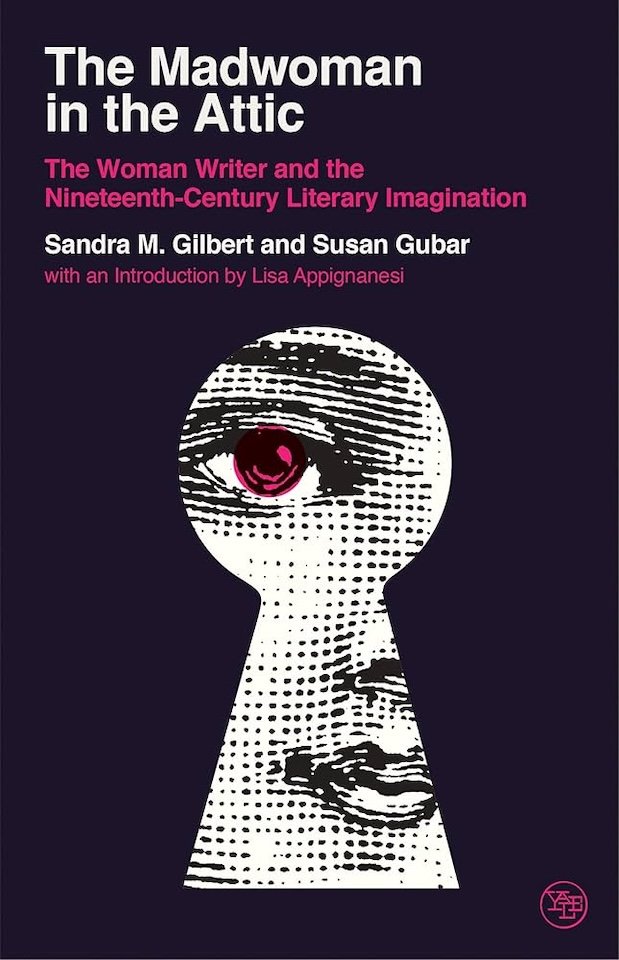
Reading Roundup A distillation of words, film, thought and taste By Sherry Mazzocchi What do the transatlantic slave trade, 19th century literary fiction and a gigantic sculpture made of sugar have in common? Read on to find out. Written by Emily Brontë using her pseudonym, Ellis Bell, Wuthering Heights is still considered a masterpiece of romantic Gothic fiction. It takes place in the haunting moors of Yorkshire in Northern England and details the tortured unrequited love between Catherine and Heathcliff. A new film adaptation arrives on Valentine’s Day 2026 starring Margot Robbie (Catherine) and Jacob Elordi (Heathcliff). The early buzz is that it’s not entirely faithful to the novel. But the story behind this book is just as fascinating as any film. Emily died in 1847, just after her only novel was published. Her sister Charlotte edited the book and republished it three years later. Charlotte also wrote one of the most tortured and passionate romantic novels of all time, Jane Eyre. Jane is a lowly but well-educated governess. She falls in love with her aristocratic boss, Mr. Rochester, who, scholars say, was based on an unrequited love. Spoiler alert: Just as Jane is about to marry Rochester, she finds out that not only is he already married, his mentally ill wife, Bertha, is locked up in the attic. So common was the practice of 19th century fictional women to be locked up, go mad, or both, that two Indiana University professors, Sandra Gilbert and Susan Gubar, described the “distinctively literary female tradition” in their groundbreaking 1979 book, Madwoman in the Attic. The feminist scholars were awarded a Lifetime Achievement Award in 2013 from the National Book Critics Circle for seminal works such as Madwoman, which describes the dual nature of women in literary fiction. The authors posit that 1800’s women were either monsters or angels. The dichotomy arose because women had very few rights and even less agency. It’s a literary theme offered over and over, subtly in George Eliot’s classic Middlemarch and far more palpably in Charlotte Perkins Gilman’s proto-horror sci-fi short story, The Yellow Wallpaper, where the character is confined upstairs for a rest cure. Forbidden from even reading or writing, she can literally only stare at the decrepit, peeling walls. As the patterns start to shift and mutate, she thinks there is someone in there, trapped behind wall paper. Novelist Jean Rhys turned this notion inside out. Born in Dominica in 1890 of Welsh and Creole parents, Rhys left the island for England at age 16. During a tumultuous young adulthood and early marriages, Rhys wrote a number of novels and stories. After a long hiatus, she wrote Wide Sargasso Sea in 1966, where Antoinette Cosway, a wealthy young Creole woman from Jamaica marries the rich British aristocrat Rochester. Rhys imagined the novel as a prequel to Jane Eyre wherein the strong Antoinette is stripped from her roots. Far from her natural habitat, she is merely used for her resources, mocked and locked up. At the Michael Werner Gallery in London, Pulitzer Prize-winning writer and curator Hilton Als connects the dots from Rhys to literary figures like the sisters Brontë, Virginia Woolf and later writers like Jamaica Kincaid and Derek Walcott. The exhibit “Postures: Jean Rhys and the Modern World” also examines Rhys’s influence on artists like Kara Walker.
Recopilación de lecturas Un destilado de palabras, cine, pensamiento y gusto Por Sherry Mazzocchi ¿Qué tienen en común el comercio transatlántico de esclavos, la ficción literaria del siglo XIX y una gigantesca escultura hecha de azúcar? Siga leyendo para descubrirlo. Escrita por Emily Brontë bajo su seudónimo, Ellis Bell, Wuthering Heights sigue considerándose una obra maestra de la ficción gótica romántica. La historia se desarrolla en los inquietantes pantanos de Yorkshire, en el norte de Inglaterra, y narra el tortuoso amor no correspondido entre Catherine y Heathcliff. El día de San Valentín de 2026 se estrenará una nueva adaptación cinematográfica protagonizada por Margot Robbie (Catherine) y Jacob Elordi (Heathcliff). Los primeros rumores apuntan a que no es del todo fiel a la novela. Pero la historia detrás de este libro es tan fascinante como cualquier película. Emily murió en 1847, justo después de que se publicara su única novela. Su hermana Charlotte editó el libro y lo publicó nuevamente tres años más tarde. Charlotte también escribió una de las novelas románticas más tortuosas y apasionadas de todos los tiempos, Jane Eyre. Jane es una institutriz humilde pero bien educada. Se enamora de su jefe aristocrático, el señor Rochester, quien, según los estudiosos, se basó en un amor no correspondido. Alerta de spoiler: justo cuando Jane está a punto de casarse con Rochester, descubre que él no solo está casado, sino que su esposa, Bertha, que padece una enfermedad mental, está encerrada en el ático. Era tan habitual en la ficción del siglo XIX que las mujeres fueran encerradas, enloquecieran o ambas cosas, que dos profesoras de la Universidad de Indiana, Sandra Gilbert y Susan Gubar, describieron la “tradición femenina claramente literaria” en su innovador libro de 1979, Madwoman in the Attic. Las académicas feministas recibieron en 2013 el Premio a la Trayectoria Profesional del Círculo Nacional de Críticos Literarios por obras trascendentales como Madwoman, que describe la doble naturaleza de las mujeres en la ficción literaria. Las autoras plantean que las mujeres del siglo XIX eran o monstruos o ángeles. La dicotomía surgió porque las mujeres tenían muy pocos derechos y aún menos capacidad de acción. Es un tema literario que se repite una y otra vez, sutilmente en el clásico de George Eliot Middlemarch y de forma mucho más palpable en el relato corto de ciencia ficción proto-terror de Charlotte Perkins Gilman, The Yellow Wallpaper, donde el personaje está confinado en el piso de arriba para un tratamiento de reposo. Sin poder ni siquiera leer ni escribir, ella solo puede mirar fijamente las paredes deterioradas y despegadas. A medida que los patrones comienzan a cambiar y mutar, ella cree que hay alguien ahí, atrapado detrás del papel tapiz. La novelista Jean Rhys le dio la vuelta a esta idea. Nacida en Dominica en 1890, de padres galeses y creoles, Rhys abandonó la isla para irse a Inglaterra a los 16 años. Durante una tumultuosa juventud y sus primeros matrimonios, Rhys escribió varias novelas y relatos. Tras una larga pausa, escribió Wide Sargasso Sea en 1966, donde Antoinette Cosway, una joven criolla adinerada de Jamaica, se casa con el rico aristócrata británico Rochester. Rhys imaginó la novela como una precuela de Jane Eyre en la que la fuerte Antoinette queda despojada de sus raíces. Lejos de su hábitat natural, es utilizada únicamente por sus recursos, ridiculizada y encerrada. En la Galería Michael Werner de Londres, el escritor y curador Hilton Als, ganador del Premio Pulitzer, conecta los puntos entre Rhys y figuras literarias como las hermanas Brontë, Virginia Woolf y escritores posteriores como Jamaica Kincaid y Derek Walcott. La exposición “Postures: Jean Rhys and the Modern World” (Posturas: Jean Rhys y el mundo moderno, en español) también examina la influencia de Rhys en artistas como Kara Walker. Incluso hoy en día, familias como los Fanjul controlan una gran parte de la industria azucarera e invierten mucho dinero en política. Eso es algo en lo que Catherine y Jane nunca pensaron mientras ponían cucharadas de esa dulce sustancia en su té. VIDEO: Kara Walker’s “A Subtlety”
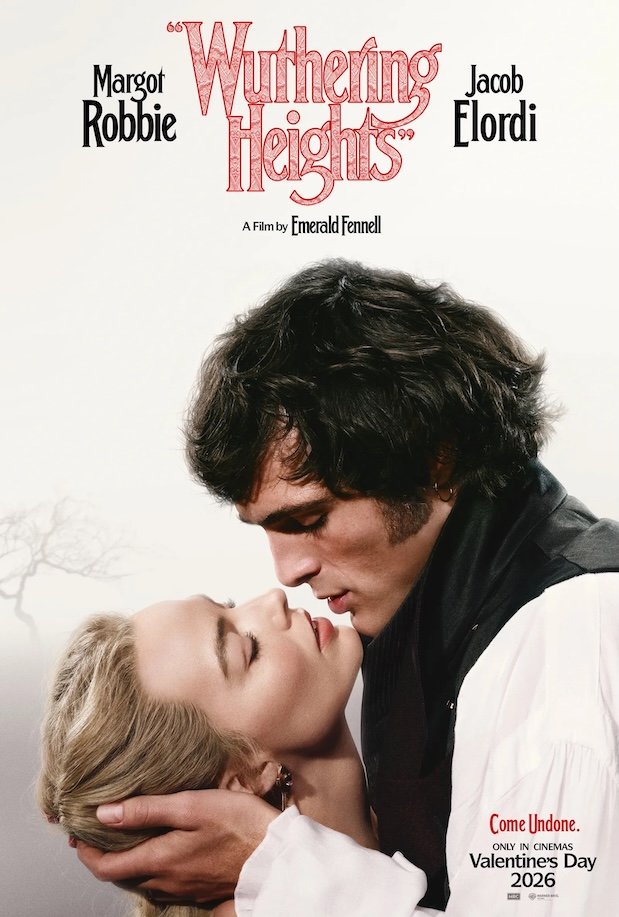
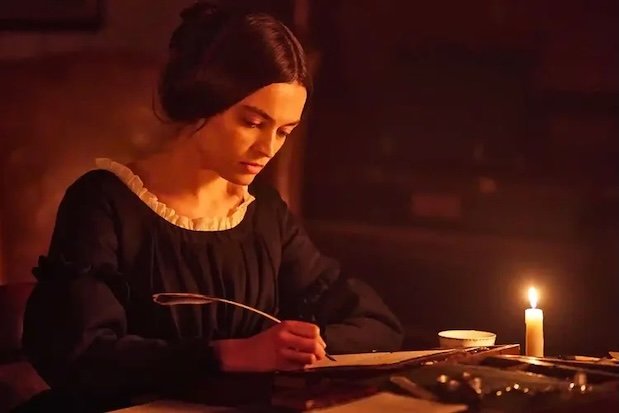
Photo: Bleecker Street Media
Photo: New York Arts Practicum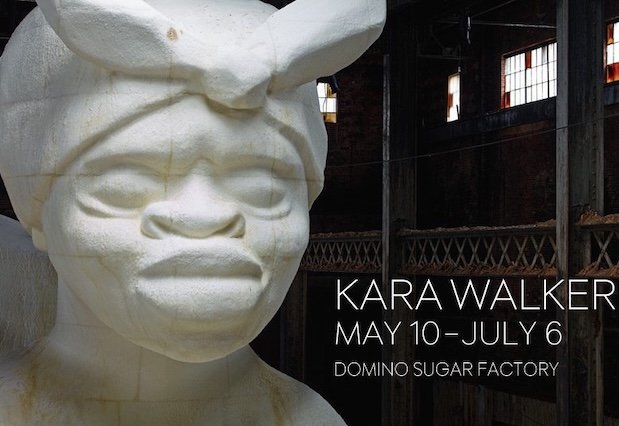
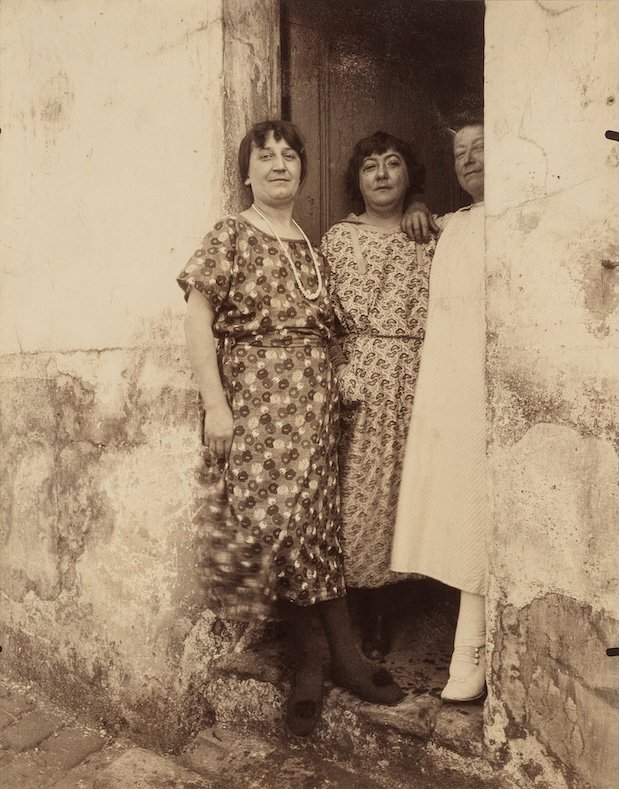
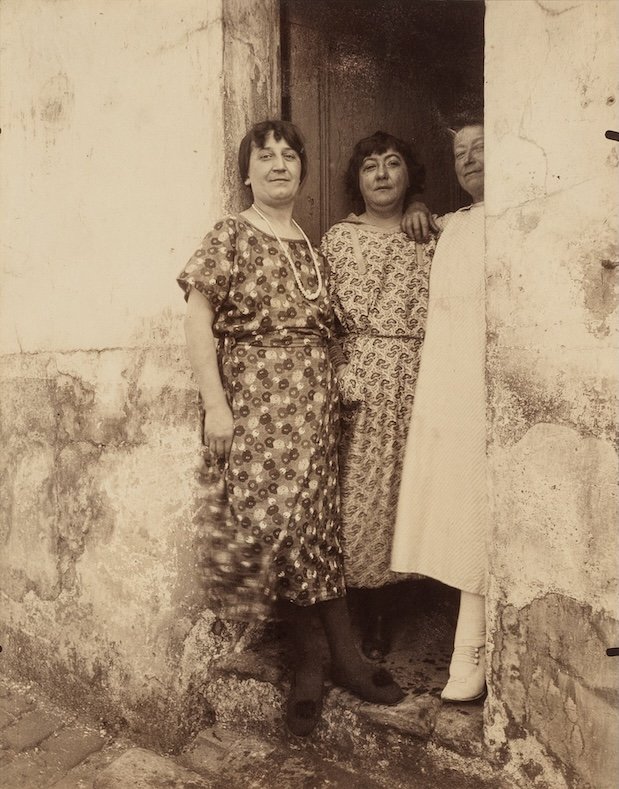
Matte albumen print, 9 x 7 inches
The print is included as part of the “Postures: Jean Rhys in the Modern World” exhibit.
Source: Michael Werner Gallery
Photo: Ali Smith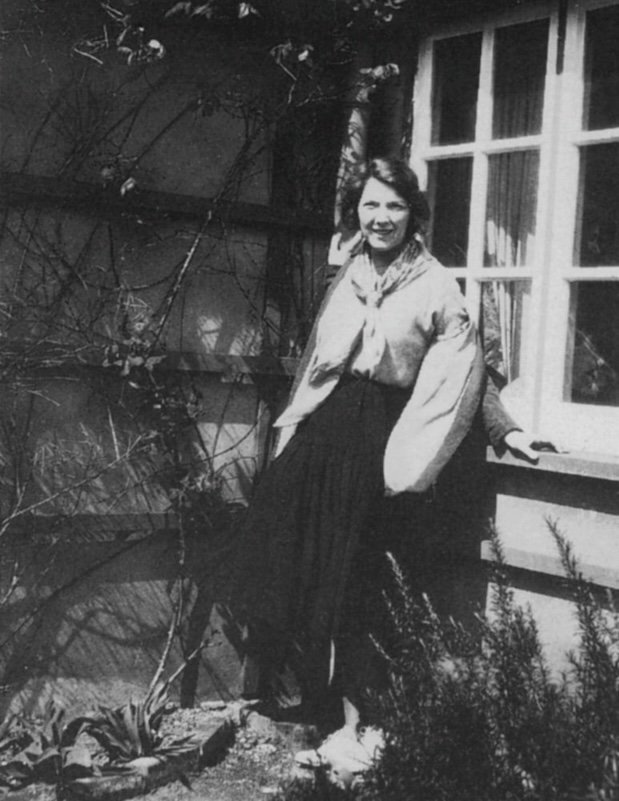
Source: Michael Werner Gallery
 Walker’s unforgettable 2014 show, held at the Domino Sugar Factory, triangulated sugar, the Caribbean slave trade from Europe to Africa and the New World. The artist’s first large-scale public project was called A Subtlety or the Marvelous Sugar Baby an Homage to the unpaid and overworked Artisans who have refined our Sweet tastes from the cane fields to the Kitchens of the New World on the Occasion of the demolition of the Domino Sugar Refining Plant. Its striking central image, made of 30 tons of white sugar, was a “massive sphinx-turned-mammy” sculpture, as described by the curators. Dominating the space, the figure was surrounded by other sugar figures including depictions of black boys that serve as her attendants.
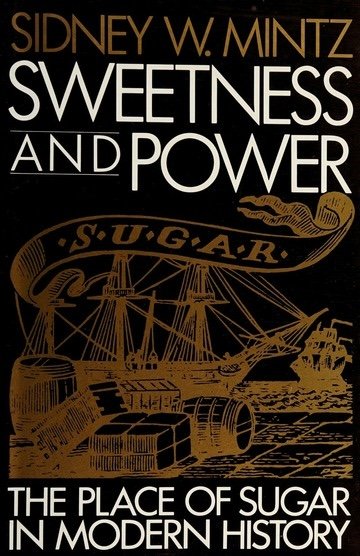
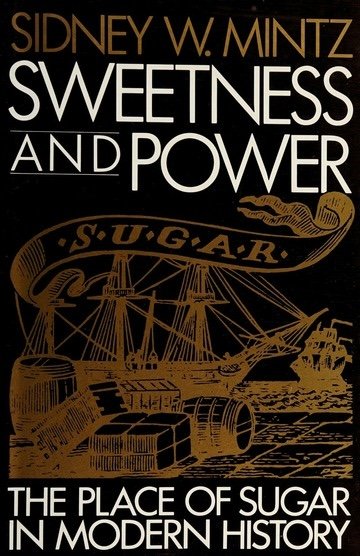 Some of Walker’s inspiration stemmed from books like Sweetness and Power by Sidney Mintz, as they describe how a handful controlled the destiny of millions and the fate of nations.
 Even today, families like the Fanjuls control a large swath of the sugar industry and pour money into politics. That’s something that Catherine and Jane never thought about as they spooned the sweet substance into their tea.
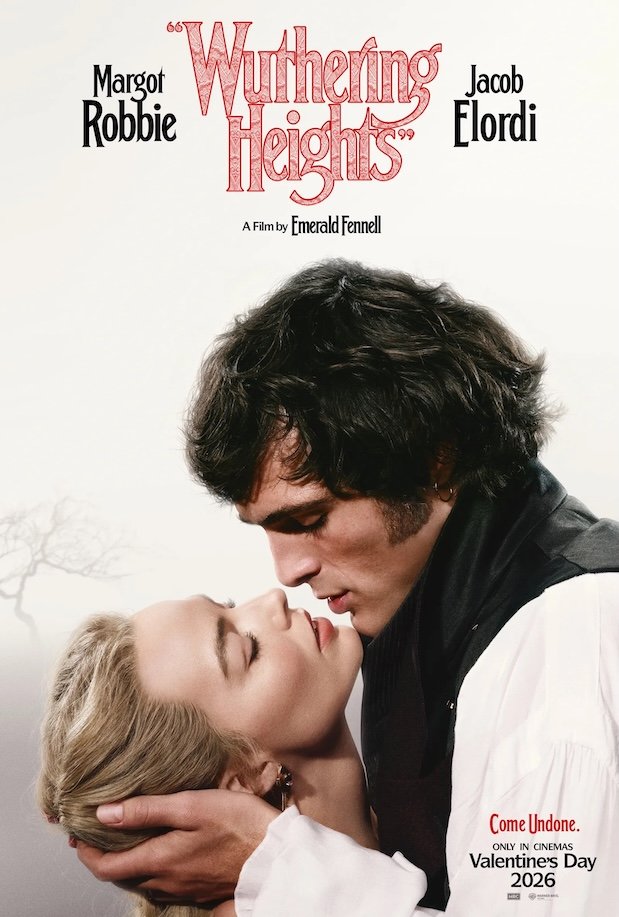
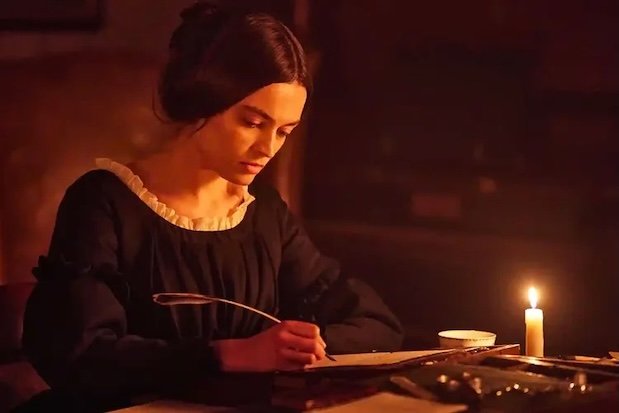
Foto: Bleecker Street Media
Foto: New York Arts Practicum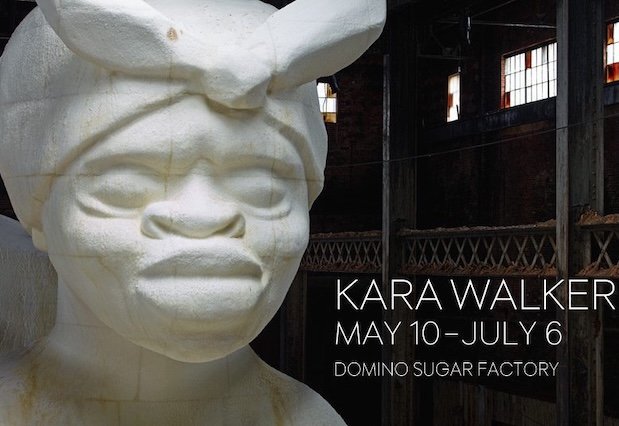
Impresión a la albúmina mate, 23 x 18 cm
La impresión forma parte de la exposición “Posturas: Jean Rhys en el mundo moderno”.
Fuente: Galería Michael Werner
Foto: Ali Smith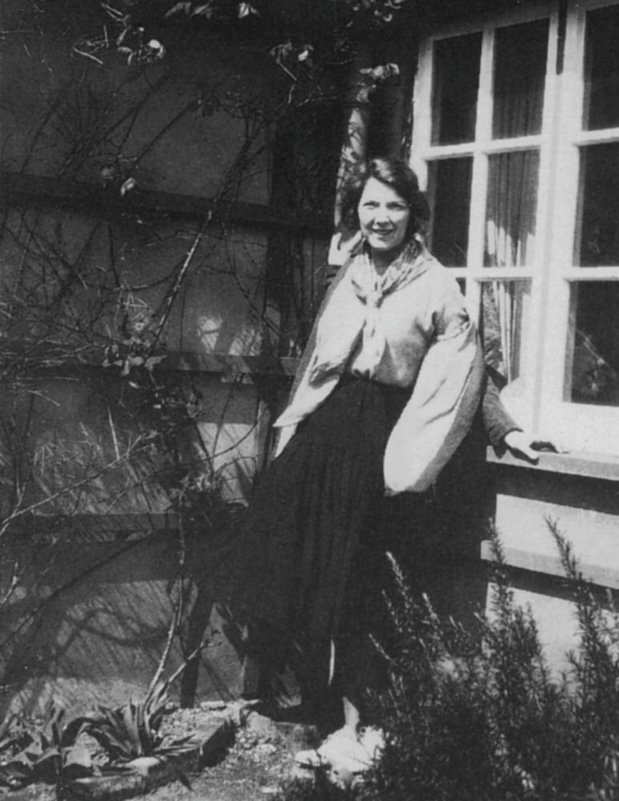
Fuente: Galería Michael Werner
 La inolvidable exposición de Walker de 2014, celebrada en la fábrica de azúcar Domino, triangulaba el azúcar, el comercio de esclavos caribeño desde Europa hasta África y el Nuevo Mundo. El primer proyecto público a gran escala de la artista se tituló A Subtlety or the Marvelous Sugar Baby an Homage to the unpaid and overworked Artisans who have refined our Sweet tastes from the cane fields to the Kitchens of the New World on the Occasion of the demolition of the Domino Sugar Refining Plant, (Una sutileza o el maravilloso bebé de azúcar, un homenaje a los artesanos no remunerados y explotados que han refinado nuestros gustos dulces desde los campos de caña hasta las cocinas del Nuevo Mundo, con motivo de la demolición de la planta refinadora de azúcar Domino, en español). Su llamativa imagen central, hecha con 30 toneladas de azúcar blanco, era una escultura de “una esfinge gigante convertida en mamá”, según la describieron los curadores. Dominando el espacio, la figura estaba rodeada por otras figuras de azúcar, incluyendo representaciones de niños negros que hacían de sus sirvientes.
 Parte de la inspiración de Walker provino de libros como Sweetness y Power de Sidney Mintz y probablemente de Sugar Barons de Matthew Parker, que describen el comercio de esclavos y a un puñado de personas que controlaban el destino de millones y el destino de naciones.

Foto: Salón de la Fama Agrícola de Florida


